Key Takeaways
- Start at 55-60°F for your first two weeks – this temperature builds cold tolerance without overwhelming your nervous system
- The therapeutic sweet spot is 50-60°F where significant norepinephrine release and inflammation reduction occurs
- Master breathing techniques before dropping temperature – controlled breathing is the foundation of safe cold exposure
- Gradual progression prevents injury – decrease temperature by only 2-3°F per week as your body adapts
- Medical conditions require doctor clearance especially heart conditions and high blood pressure before attempting cold plunging
Cold plunging has exploded in popularity, but most beginners make the same critical mistake: jumping into water that’s too cold, too fast. The result? A miserable experience that leads to quitting within weeks. The secret isn’t finding the coldest water you can tolerate – it’s finding the right temperature progression that builds lasting cold resilience while delivering genuine therapeutic benefits.
Start at 55-60°F, Not the 50-60°F Sweet Spot
Most cold plunge advice gets this backwards. While the 50-60°F range delivers maximum therapeutic benefits, starting there as a beginner is like trying to deadlift your body weight on day one at the gym. The cold shock response at these temperatures can be overwhelming, triggering an uncontrollable gasp reflex, rapid heart rate spikes, and often panic that makes people never want to try again.
The 55-60°F starting range serves a crucial purpose: it allows your nervous system to adapt to cold water immersion without triggering fight-or-flight responses that make the practice unsustainable. At this temperature, most beginners can maintain controlled breathing within 15-20 seconds and gradually work up to 3-5 minutes as their tolerance improves.
Collective Relaxation’s temperature guide emphasizes this graduated approach, noting that the foundation phase at warmer temperatures is what separates successful long-term practitioners from those who quit after a few attempts.
Think of this initial temperature range as building your cold plunge “base fitness.” Just as runners don’t start with marathons, cold plungers shouldn’t start with ice baths. The 55-60°F range activates initial circulatory responses and begins the neurological adaptation process without overwhelming your system’s capacity to cope.
Why 50-60°F Is the Therapeutic Sweet Spot
Once you’ve mastered the 55-60°F range and can maintain steady breathing from the moment you enter, you’re ready to progress into the therapeutic sweet spot. This is where the science of cold exposure becomes fascinating – and where real transformation begins.
Norepinephrine Release and Inflammation Reduction
The 50-60°F temperature range triggers what researchers call the “hormonal sweet spot” of cold exposure. Studies show that cold water immersion can significantly increase norepinephrine levels – a massive neurochemical shift that enhances focus, mood regulation, and stress resilience for hours after your session.
This temperature range also optimizes vasoconstriction, the narrowing of blood vessels that can help reduce localized inflammation. Professional athletes often use this range because it may contribute to decreases in inflammatory markers like creatine kinase while maintaining comfortable session durations of 2-4 minutes.
The inflammation reduction isn’t just physical – it’s systemic. Cold exposure at these temperatures decreases pro-inflammatory cytokines while increasing anti-inflammatory proteins, creating a cascade of recovery benefits that extend far beyond the immediate session.
45-55°F Range for Intermediate Users
The lower end of the therapeutic range – 45-50°F – is where experienced practitioners access deep muscle tissue cooling and maximum hormonal responses. However, this territory requires several weeks of adaptation and excellent breath control skills before attempting.
At these temperatures, sessions become shorter (2-3 minutes maximum) but more intense. The cold shock response is significant, requiring immediate breath control and mental focus. The payoff includes enhanced recovery from high-intensity training and stronger activation of the vagal nerve, which improves heart rate variability and stress resilience.
Temperature Progression Guide for Beginners
Successful cold plunging follows a methodical progression that respects your body’s adaptation timeline. Rushing this process is the fastest way to burn out or experience adverse effects.
1. Week 1-2: 55-60°F Foundation Building
Your first two weeks focus entirely on neurological adaptation and breathing mastery. Start each session by entering slowly, focusing on controlled exhales through pursed lips. Begin with 1-2 minute sessions, gradually working up to 3-5 minutes as your breathing control improves.
During this phase, track three metrics: water temperature, session duration, and breathing control time (how long it takes to stabilize your breathing after entry). Most beginners see significant improvement in breathing control within 5-7 sessions.
Consistency trumps intensity here. Three sessions per week at a manageable temperature builds more lasting cold tolerance than daily sessions that leave you dreading the next plunge.
2. Week 3-4: 50-55°F Sweet Spot Entry
Once 60°F feels almost comfortable and you can control your breathing within 15 seconds, it’s time to enter the therapeutic range. Drop the temperature by 2-3°F and maintain this new level for at least one week before progressing further.
At 50-55°F, you’ll notice the benefits intensify significantly. The mood boost becomes more pronounced, the anti-inflammatory effects more noticeable, and the mental clarity post-session more sustained. Session durations may decrease slightly to 2-4 minutes as the cold stress increases.
3. Advanced: 45-50°F Recovery Territory
This advanced range should only be attempted after 4-6 weeks of consistent practice and excellent breath control mastery. The 45-50°F range delivers maximum therapeutic benefits but demands respect and preparation.
Sessions at this temperature focus on quality over quantity – 2-3 minutes of controlled exposure with perfect breathing technique. Many experienced practitioners find this range optimal for post-workout recovery and deep stress resilience building.
How Your Body Responds at Different Temperature Ranges
Understanding your body’s physiological responses helps you work with your biology rather than against it. Each temperature range triggers distinct adaptations that serve different wellness goals.
Cold Shock Response Management
The cold shock response – that immediate gasp and heart rate spike – occurs regardless of temperature but varies dramatically in intensity. At 60°F, most people can manage this response within 20-30 seconds. At 45°F, even experienced practitioners may need 45-60 seconds to establish breathing control.
Never fight the initial response but work through it systematically. Enter the water slowly, immediately begin controlled exhales, and focus on lengthening each breath cycle. Your heart rate will naturally decrease as your breathing stabilizes.
Mastering this response at warmer temperatures builds the neurological pathways needed for colder exposures. Think of each session as training your autonomic nervous system to handle acute stress more efficiently.
Duration Guidelines by Temperature
Temperature and duration are inversely related – as temperature drops, safe session lengths decrease. At 55-60°F, most beginners can comfortably manage 3-5 minutes after building tolerance. At 50-55°F, sessions typically range from 2-4 minutes. Below 50°F, even experienced practitioners rarely exceed 3 minutes safely.
The goal isn’t maximizing time in cold water – it’s optimizing the stimulus-recovery balance. Shorter sessions at appropriate temperatures consistently trigger beneficial adaptations while avoiding the stress accumulation that can impair recovery and immune function.
Safety Warning Signs and Medical Considerations
Cold plunging carries real risks that increase exponentially when proper protocols aren’t followed. Recognizing warning signs and understanding medical contraindications can prevent serious complications.
1. Heart Conditions and Blood Pressure Concerns
Cold water immersion causes immediate cardiovascular changes: blood pressure spikes, heart rate increases, and blood vessel constriction. For individuals with heart disease, arrhythmias, or uncontrolled hypertension, these changes can trigger dangerous cardiac events.
Anyone with cardiovascular conditions must obtain medical clearance before attempting cold plunging, especially at temperatures below 55°F. Even with clearance, starting at warmer temperatures (58-60°F) with shorter durations (1-2 minutes) and medical monitoring is necessary.
2. When to Exit Immediately
Several signs indicate you’ve exceeded your current tolerance and should exit immediately: uncontrollable shivering that doesn’t subside within one minute, numbness spreading up arms or legs, chest tightness or pain, confusion or disorientation, and skin turning white or blue beyond normal cold response.
Loss of coordination or inability to grip objects while exiting also signals dangerous overcooling. If any of these symptoms occur, exit calmly, dry off, and allow natural rewarming through clothing and warm (not hot) beverages.
3. Gradual Adaptation Is Non-Negotiable
The temptation to accelerate temperature progression undermines the entire adaptation process. Your nervous system, cardiovascular system, and hormonal responses all require weeks to adapt safely to cold stress.
Individuals who rush progression often experience setbacks: panic responses, negative associations with cold exposure, or even injury from hypothermia. The most successful cold plungers are those who accept the gradual approach, building unshakeable foundations rather than chasing temperature extremes.
Master Breathing First, Then Drop the Temperature
Breathing control is the master skill that makes everything else possible. Without it, cold plunging becomes an exercise in survival rather than a therapeutic practice. The breathing techniques that work at 60°F are the same ones you’ll rely on at 45°F – the difference is the margin for error becomes much smaller.
Start each session with box breathing: inhale for four counts, hold for four, exhale for four, hold for four. As you enter the water, transition to longer exhales – inhaling through your nose for four counts, then exhaling through pursed lips for six to eight counts. This pattern activates your parasympathetic nervous system and counters the fight-or-flight response.
The moment your breathing becomes erratic or uncontrollable, you’ve exceeded your current capacity. This isn’t a failure – it’s valuable data about your adaptation level. Expert practitioners spend months perfecting breath control at moderate temperatures before progressing to extreme cold exposure.
Practice breathing techniques outside the water first. Spend time each day working on controlled breathing patterns, breath holds, and stress breathing recovery. These skills transfer directly to cold exposure and create confidence that makes temperature progression feel natural rather than forced.
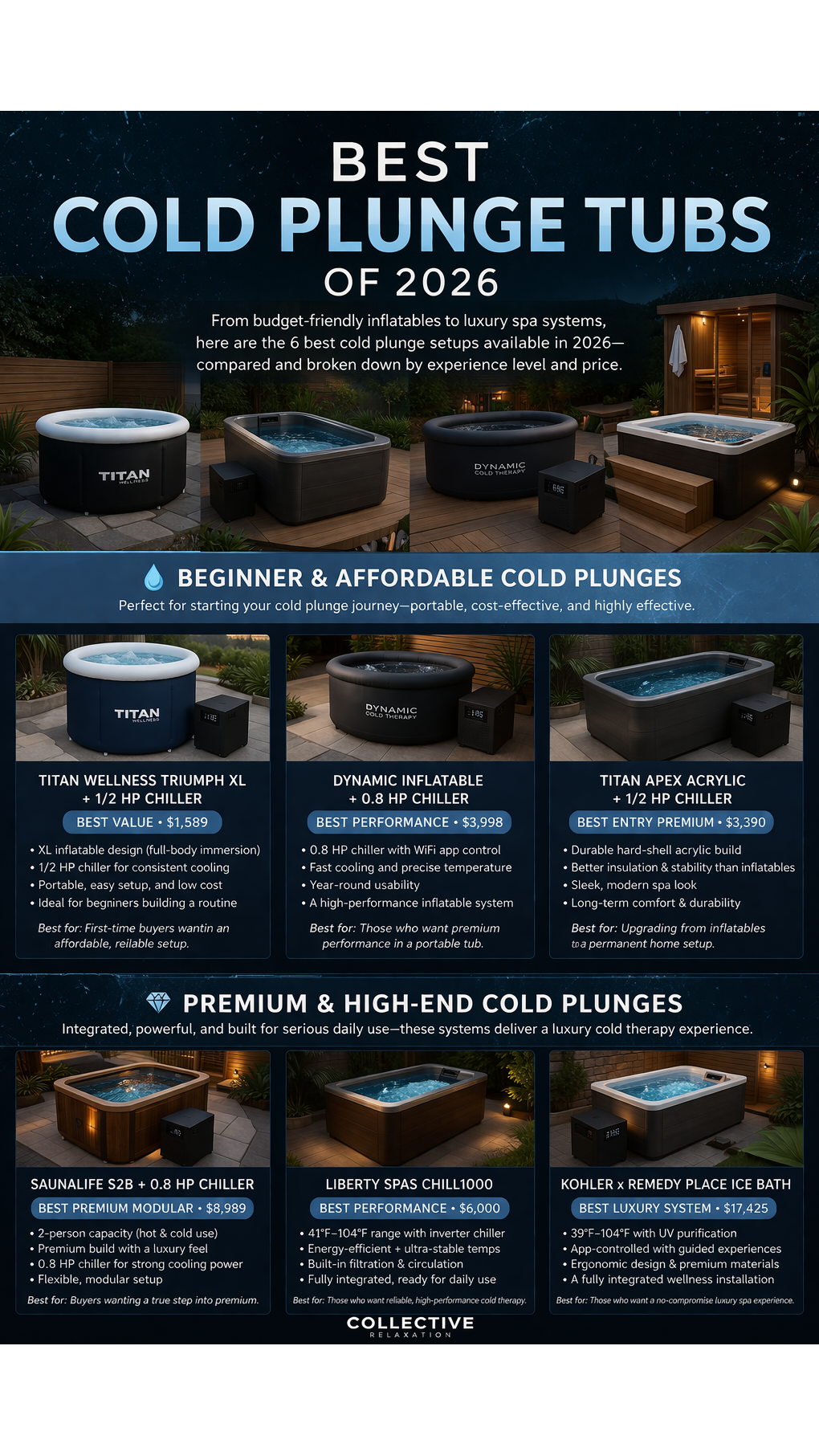
For those ready to begin their cold plunge practice with proper equipment and expert guidance, Collective Relaxation offers cold plunge solutions and educational resources to support safe, effective practice at home.
Collective Relaxation
194 Woehrle Avenue
STATEN ISLAND
NY
10312
United States