
QINGYUAN, GUANGDONG, CHINA, November 23, 2026 /EINPresswire.com/ — Rural electricity networks face persistent stability issues during severe weather events. Frozen soil in northern regions reaching minus 30 degrees Celsius creates thermal stress for outdoor power equipment. Southern territories experience prolonged summer heat combined with high relative humidity. Northwest desert areas present intense solar radiation alongside abrasive dust storms.
Standalone residential storage hardware often experiences efficiency drops under these challenging conditions. Installing all-weather solar battery storage solutions helps maintain energy distribution across isolated communities. Modern storage architectures require balanced thermal controls and durable enclosures to resist environmental wear. Field data indicates that ambient swings directly impact electrochemical performance inside battery modules.
Guangdong Aokly Group Co.,Ltd manufactures energy hardware engineered for complex environmental conditions. Choosing proper storage chemistry prevents system failure during seasonal temperature spikes. Thermal stability remains critical for long-term power delivery in weak grid locations.
1. Temperature Tolerance Parameters for AOKLY Residential Battery Storage
Operating in remote areas demands clear thermal range parameters for installed energy components. Battery modules must deliver stable power output regardless of severe external changes. Lithium iron phosphate chemistry offers reliable cycle durability for residential energy setups. Standard 12.8V modules operate effectively between minus 20 degrees Celsius and 60 degrees Celsius.
In regions facing extreme cold, optional heating films inside 48V stackable units allow effective operation down to minus 30 degrees Celsius. Sodium-ion battery chemistry provides alternative performance advantages for cold climates. Sodium ions maintain higher mobility at lower thermal thresholds compared to standard lithium cells.
Enclosures built with ABS material and ultraviolet protection prevent salt spray damage in coastal regions. Structural protective features protect internal cell matrices against environmental degradation. Outer casings must resist physical cracking under harsh exposure.
2. Operational Limits in Extreme Operational Conditions
Operating storage hardware near physical boundaries requires active management strategies within system software. Lithium cells must avoid high-current charging when internal temperatures drop below freezing. Advanced battery management systems reduce charging power or activate internal heating pads before accepting full current.
Elevated thermal conditions above 50 degrees Celsius require temperature compensation for floating voltage settings. Without automated voltage adjustments, electrolyte degradation accelerates and shortens overall cell service life. System controllers adjust charge thresholds automatically based on sensor readings.
Coastal salt fog increases terminal corrosion rates if protective sealing gaskets fail. Enclosure protection standards like IP65 prevent moisture ingress during prolonged rainstorms. Operational thresholds are documented using standard laboratory testing methods rather than claiming zero capacity fade. Engineering teams analyze thermal limits to set safe operational boundaries.
3. Technical Considerations for Rural Storage Selection
Rural installations require deliberate component selection based on local environmental factors and climate data. Installers evaluate minimum regional temperatures to select between lithium iron phosphate and sodium-ion formulations. Coastal sites require sealed terminals with anti-corrosion coatings to resist high moisture.
Load calculations should include a 20 percent capacity margin above daily household usage. This extra margin covers unexpected solar generation drops during extended overcast weather. Reserve buffers protect storage units against complete battery depletion during emergency outages.
Local contractors must verify voltage matching between solar inverters and battery bank configurations. Guangdong Aokly Group Co.,Ltd provides detailed technical specification sheets to support correct site sizing. Systematic planning ensures energy systems maintain backup power during unexpected grid outages.
4. Thermal Management and Long-Term System Stability
Proper thermal regulation extends equipment life in isolated rural power installations. System designers select battery chemistries according to historical meteorological data for each installation site. Standard solar battery storage solutions must balance charging rates with internal thermal build-up during peak sunlight hours.
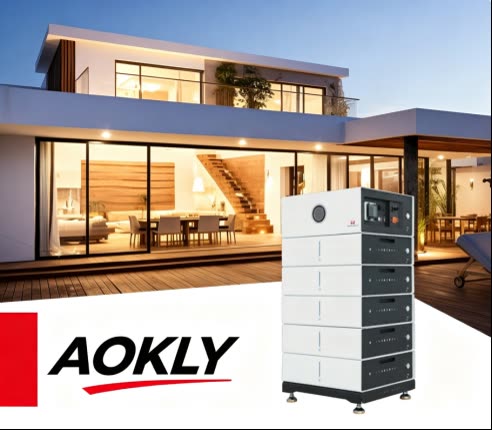
Integrating precise temperature sensors allows the management unit to regulate current flow safely. AOKLY GROUP integrates multi-layer safety protocols within modular battery racks to manage thermal loads. Overheating risks decrease significantly when thermal sensors trigger protective cooling routines.
Proper ventilation surrounding energy storage cabinets prevents heat accumulation in summer. Combining robust housing designs with conservative charging profiles maintains operational stability over long service periods. Remote monitoring capabilities help operators identify thermal anomalies before component damage occurs.
5. Field Reliability and Structural Enclosure Performance
Energy independence in farming communities relies on dependable solar battery storage hardware. Frequent grid interruptions force localized microgrids to depend on resilient energy storage units during severe weather. Reliable backup power keeps essential household electronics running without continuous interruption.
Guangdong Aokly Group Co.,Ltd manufactures modular battery systems designed for rural distribution networks. Field tests show that controlled thermal management prevents unexpected system shutdowns during winter storms. Stable battery output stabilizes voltage across sensitive household equipment.
Modern battery storage enclosures block fine dust particles from entering sensitive electronic control boards. System integrators select specific cell configurations based on seasonal weather extremes. Engineering verification ensures that modular storage units meet electrical safety standards across diverse climate zones.
6. Manufacturing Quality Controls and Component Integrity
System durability depends on rigorous quality control during automated manufacturing processes. Modern assembly lines ensure consistent cell alignment and secure terminal connections across all battery modules. Automated robot welding reduces connection resistance across high-voltage internal busbars.
Strict inspection standards are applied to evaluate enclosure sealing and internal insulation. Field technicians verify ground connections and cable entry points during initial installation procedures. Secure wiring entries prevent moisture penetration into electronic control compartments.
Periodic maintenance schedules focus on checking terminal tightness and cleaning intake filters on ventilated cabinets. Proactive inspection prevents localized resistance heating and protects internal electronic circuitry. Quality manufacturing practices support long-term operational reliability for off-grid power infrastructure.
7. Climate Adaptability Testing and Environmental Standards
Environmental resilience testing remains a crucial benchmark for off-grid power components deployed in unpredictable climates. Comparative testing protocols evaluate voltage decay rates, thermal dissipation efficiency, and mechanical enclosure resistance under controlled environmental stress. Test chambers simulate years of temperature swings in concentrated laboratory environments.
Integrating automated battery monitoring software provides field technicians with detailed operational metrics across varying ambient conditions. Independent engineering testing helps establish reliable baseline performance data for regional utility planners. Verifiable test results assist project managers in securing project financing.
Software algorithms adjust internal charging speed based on live temperature feeds from remote sites. Continuous diagnostic logging flags minor voltage irregularities before serious faults develop. Comprehensive testing validation supports steady battery operation across challenging climate zones.
8. Scalable Infrastructure and Modular System Integration
Long-term deployment strategies in isolated regions benefit from modular system architectures that accommodate future expansion. Scalable battery banks allow rural communities to expand storage capacity as local power demand increases over time. Expandable energy systems lower upfront installation capital for small communities.
Standardized connection protocols simplify the integration of additional storage modules without requiring complete system reconfiguration. AOKLY GROUP designs modular battery units that facilitate straightforward installation and maintenance for local technical teams. Modular designs allow quick module replacement during field service calls.
Interchangeable battery components simplify spare parts inventory management for regional service centers. Local technicians replace individual battery modules without shutting down the entire electrification system. Flexible system design supports gradual infrastructure expansion across rural districts.
9. Conclusion and Industry Comparative Testing
Rural electrification projects require robust components capable of enduring demanding climatic conditions over extended operational cycles. Guangdong Aokly Group Co.,Ltd provides verifiable wide-temperature storage components for comparative field testing in weak grid environments. Proven durability ensures consistent power for remote agricultural facilities.
Engineering teams evaluate local atmospheric data to specify suitable battery configurations for each project location. AOKLY GROUP supports system integrators with comprehensive technical datasheets and installation guidance. Tailored site recommendations prevent premature equipment degradation in extreme weather zones.
Contractors interested in reviewing product specifications or requesting system quotes can consult technical representatives or visit the official website at https://www.aokly-battery.com/ for site-specific evaluations . Expert technical support ensures correct battery system installation across challenging geographical areas.
FAQ
Q1: How do extreme low temperatures affect lithium battery performance in rural solar installations?
Sub-zero temperatures reduce ion mobility, increasing internal resistance and temporary capacity loss. Charging below freezing without preheating risks anode lithium plating. Advanced systems activate internal heaters or restrict charge current until safe temperatures are reached.
Q2: What are the advantages of sodium-ion batteries in cold climate solar storage applications?
Sodium-ion batteries maintain superior ion mobility down to -20°C, delivering higher discharge efficiency than standard lithium chemistries. They combine low-temperature reliability with lower material costs and enhanced thermal stability for cold regions.
Q3: Why is terminal protection crucial for solar battery storage in humid or coastal environments?
Salt spray and high humidity cause galvanic corrosion on exposed metal terminals. Corroded joints raise electrical resistance, causing localized heating, voltage drops, and system failure. IP65 enclosures and sealed covers mitigate moisture risks.
Q4: How should system designers calculate battery capacity margins for off-grid rural power systems?
Designers sum daily household kilowatt-hour usage and add a 20% margin. This buffer accounts for conversion losses, depth-of-discharge limits, and reduced solar output during overcast stretches to secure backup power.
Q5: What role does a Battery Management System play during high-temperature operations?
A Battery Management System tracks cell temperatures, triggering voltage compensation above 50°C. It adjusts charge rates, balances cell voltages, and disconnects the battery bank if thermal safety limits are breached to avoid runaway.
Tags:
solar battery storage solutions; rural grid battery storage; all-weather solar battery; extreme climate battery; LiFePO4 battery; sodium-ion battery; 48V stackable battery; 12.8V lithium battery; BMS; thermal management; IP65 enclosure; off-grid solar storage
AOKLY GROUP
AOKLY GROUP
Legal Disclaimer:
EIN Presswire provides this news content “as is” without warranty of any kind. We do not accept any responsibility or liability
for the accuracy, content, images, videos, licenses, completeness, legality, or reliability of the information contained in this
article. If you have any complaints or copyright issues related to this article, kindly contact the author above.

Media gallery